Professional Food Safety Cleaning
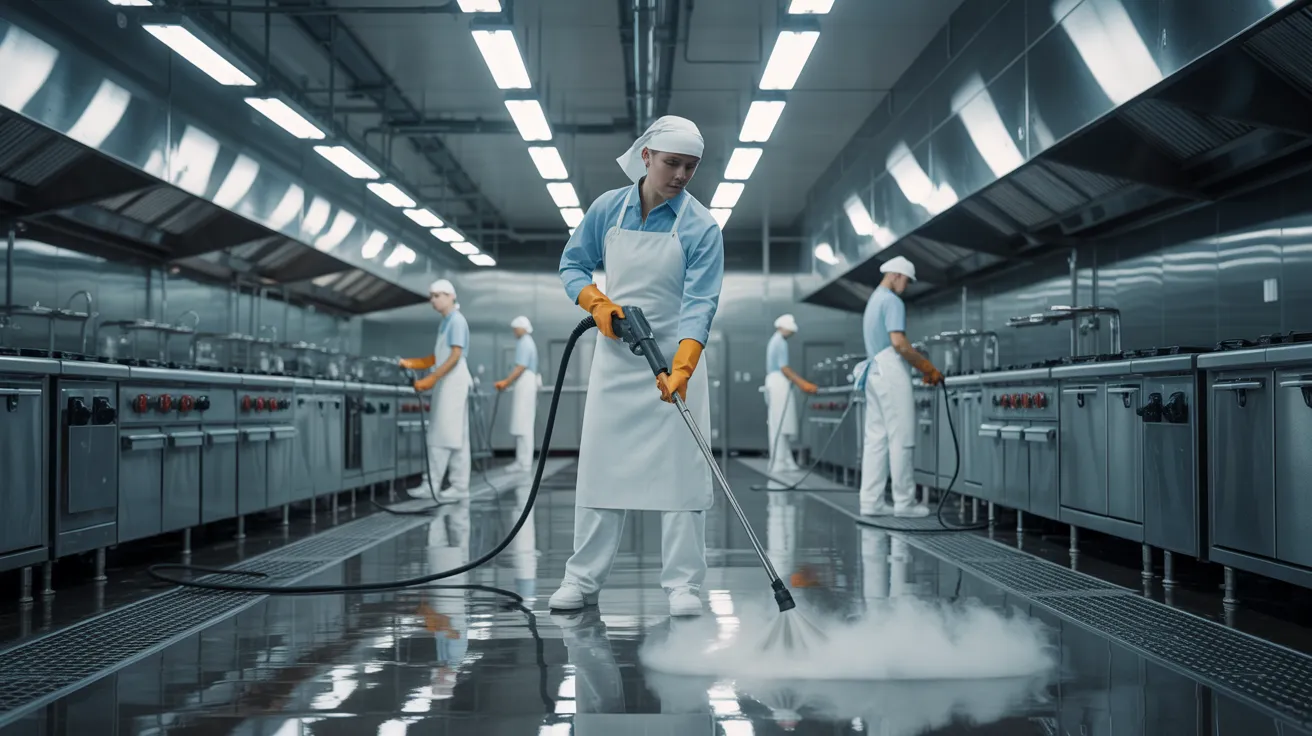
Brampton food safety and commercial cleaning experts help you keep dining establishments, food distribution centers, baking facilities, warehouses, and food service vehicles sanitized to standards. They disinfect frequently contacted surfaces, food preparation areas, equipment, floors, drains, restrooms, and food prep areas using approved chemicals, proper concentration, and documented contact times. in maintaining dining venues, food supply centers, bakeries, warehouses, and food service units in compliance. They disinfect frequently touched areas, food-contact surfaces, equipment, floors, drains, restrooms, and prep areas using certified sanitizers, correct concentration, and recorded contact times.
Essential Summary
- Food safety cleaning professionals from Brampton service restaurants, grocery departments, commissaries, warehouses, bakeries, schools, mobile vendors, and allergen-sensitive operations.
- They treat frequently contacted areas, food-contact equipment, kitchens, floors, drains, restrooms, and storage areas using zone-based workflows to avoid cross-contamination.
- Logging of finishing through swabs, inspections, and correction logs verifies trained specialists have validated proper chemical concentration, suitability, and contact time.
- Hygiene schedules should follow risk, production volume, transitions, incidents, and guidelines, with everyday, weekly, and annual operations allocated by section.
- Pick providers with HACCP, public-health, knowledge, WHMIS, education, insurance, credentials, coded equipment, and audit-ready cleaning files.
Which Brampton Venues Need Food Safety Cleaning?
Any Brampton facility that handles, maintains, prepares, packages, or offers food needs hygiene cleaning. You must follow it if your establishment falls under health inspection, premises standards, or HACCP protocols. That requirement covers eateries, dining facilities, food distribution centers, supermarket departments, meat markets, fish counters, corner stores, and commercial kitchens.
Documented food sanitation is also essential in distribution centers, processing facilities, refrigerated storage, commercial bakeries, school meal programs, event venues, and delivery services. Portable and seasonal operations matter too, like catering vehicles, festival sellers, and pop-up stands. Your establishment must have established hygiene procedures should your employees work with ingredients, section finished dishes, heat items, or keep allergens organized. In Brampton, food safety remains not discretionary; it constitutes lawful, operational, and customer protection adherence.
What Do Brampton Cleaning Experts Clean?
Professional cleaning teams specializing in Brampton disinfect high-contact surfaces, food preparation areas, floors, and sanitary facilities in compliance with food safety regulations. Emphasis on these spaces stems from extreme cross-contamination risk, injury hazards, and compliance issues.
If you grasp what they sanitize, you'll successfully ensure your operation satisfies all operational and regulatory compliance needs.
High-Touch Surface Disinfection
create a sterilization frequency
Maintaining a unidirectional cleaning method, swapping cloths, and dividing cleaning tools according to section ensures that cleaning stays measurable, justified, and compliance-ready continuously
Cooking Zones, Walking Surfaces, and Restroom Environments
Brampton cleaning services zero in on kitchens, floors, and restrooms as each zone presents different food safety, slip-and-fall, and public health concerns. In industrial kitchens, you need degreasing on cook lines, equipment exteriors, drains, prep surfaces, and splash zones to minimize contamination and pest pressure.
Floor care that is documented should also be anticipated. Technicians scrub and extract buildup from grout, tile, and vinyl flooring, then apply correct drying techniques so you can reduce slip incidents and maintain code-compliant conditions. They also handle entry points where dampness and dirt enter the building.
For restroom sanitation, cleaners disinfect high-touch surfaces, bathroom fixtures, stall dividers, supply dispensers, and trash receptacles, then restock supplies and control odours. They also maintain restaurant cleaning supply rooms where product storage, sink cleanliness, and drain systems impact daily sanitation standards and worker protection.
The Importance of Food Safety Cleaning in Brampton
In Brampton, you must maintain sanitary cleaning practices to meet regulatory standards and achieve compliance. You also minimize bacterial spread through proper cleaning of food-preparation surfaces, appliances, and frequently-touched items. Most importantly, you safeguard community wellness by reducing the chance of food poisoning in your establishment.
Regulatory Code Requirements
Because Brampton food establishments operate under rigorous sanitary regulations, food safety cleaning directly affects your capacity to satisfy health code requirements, protect customers, and eliminate enforcement action. You must maintain clean food preparation areas, recorded sanitation plans, proper chemical use, and verifiable staff procedures that align with municipal and provincial inspection expectations.
Should your cleaning standards decline, you encounter citations, corrective directives, public perception issues, and service interruption risks during further inspections or enforcement reviews.
Cross-Contamination Prevention
Following regulatory requirements depends on your skill in stopping cross-contamination in routine food work and sanitation. You should isolate raw items from prepared foods, sanitize prep surfaces between tasks, and maintain separation of cleaning products from food. Well-defined guidelines decrease contamination chances and promote steady regulatory adherence.
You could implement allergen segregation to stop main allergens from reaching common areas, containers, or machinery. Apply separate boards, color-marked equipment, and strict utensil labeling so staff don't mix items during preparation or service. Mandate handwashing after handling raw meat, seafood, eggs, or allergen-containing products. Swap cleaning rags frequently, and check sanitizer strength with test strips. When employees learn these procedures every shift, you develop a more sanitary, secure business that meets Brampton's food safety expectations daily.
Public Health Safeguarding
Should food safety cleaning collapse, you don't simply encounter inspection problems—you increase the potential of foodborne illness harming customers, staff, and the wider Brampton community. You also undermine your responsibility in protecting public health, especially in busy food facilities where contamination can spread quickly through surfaces, equipment, and touchpoints.
You need sanitation procedures that remove soils, sanitize correctly, and verify results. That means following contact times, using approved disinfectants, recording cleaning times, and training staff to meet regulatory standards. These measures facilitate disease prevention by lowering microbial loads before they contaminate surfaces or food. In Brampton, rigorous cleaning protects vulnerable populations, limits outbreak potential, and enables you to show proper care. When you clean to standard, you don't just meet regulations—you substantially decrease danger and support safer food service throughout the region.
How Can Cleaning Practices Ensure Food Safety Compliance?
Embracing thorough cleaning protocols underpins food safety compliance by minimizing contamination hazards, controlling pathogen growth, and maintaining your facility's adherence to sanitation requirements under HACCP-based programs and public health regulations. You confirm that food-handling surfaces appear visibly clean and microbiologically controlled, backing documented preventive controls and inspection readiness.
Cleaning programs additionally amplify allergen control by clearing residues that can provoke undeclared allergen exposure.
When Ought You Schedule Commercial Cleaning?
Ramp up cleaning pace during peak production, equipment changeovers, spillage occurrences, and after maintenance work.
Arrange cleaning before and following promotional events, catering [[services, or gatherings for effective event turnarounds.
How Do You Choose Brampton Cleaning Experts?
Screen providers initially by their food hygiene standards—not budget alone. You need to verify that every company meets CFIA, public health, and HACCP-aligned expectations for your operation. Demand proof of insurance, WHMIS compliance, training records, and management systems. Evaluate technician understanding of contamination dangers, chemical safety, and documented sanitation practices.
You should also assess operational reliability and responsibility. Request references from food facilities in Brampton, then examine turnaround periods, corrective-action procedures, and communication standards. Confirm the company participates in supplier audits and can present audit-ready records when regulators or third parties request evidence. Check whether equipment is maintained is performed, colour-coded tools are used appropriately, and facility-specific risks are recognized. A qualified provider protects regulatory adherence, product quality, and your brand reputation.
What does a cleaning and sanitation plan consist of?
Create a written plan that defines every sanitation task, standard, and responsibility prior to beginning production. You should list cleaning schedules, authorized products, mixing ratios, exposure periods, equipment, and testing procedures for each area, section, and machine. Be sure to include pre-operational inspections, corrective actions, and employee training requirements.
Your strategy should also tackle cross-contamination controls, waste handling, pest-prevention measures, and documented schedules for restrooms, drains, floors, and food-contact areas. Outline how you'll distinguish between uncooked and prepared items, facilitate ingredient tracking, and keep accurate allergen labeling through validated cleaning between product changes. You should establish accountability, document signed records, and evaluate results against regulatory standards, HACCP controls, and customer requirements. When gaps appear, modify procedures immediately and instruct staff.
Commonly Requested Inquiries
Can sanitation providers support overnight shifts in Brampton properties?
Yes, you can set up cleaning services to manage nighttime operations in Brampton facilities. You'll arrange nighttime cleaning around production schedules, access requirements, and personnel requirements. Services typically outline nightshift logistics to minimize interruption, maintain standards, and document finished tasks. You should verify response times, management, access procedures, and waste management before service starts.
Will sanitation professionals respond to emergency spills?
Yes, you can discover many Brampton cleaning professionals providing spill response services. They handle hazardous incidents, assess dangers, isolate contamination, and initiate rapid cleanup to minimize exposure and prevent business disruption. You should verify response rates, credentials, PPE measures, and waste procedures. If your facility must adhere to regulations, pick a provider that tracks incidents, adheres to standards, and ensures audit compliance.
Are green disinfectants suitable for surfaces contacting food?
Absolutely, plant-based sanitizers remain secure for surfaces contacting food when you opt for solutions certified for food use and satisfying regulatory requirements. You must validate exposure duration, dilution rates, and rinse requirements in advance of use. Natural-based solutions decrease chemical hazards, though you require demonstration of efficacy against target microorganisms. For maintaining residue free surfaces, follow exact manufacturer guidelines and validate the sanitizer adheres to relevant food safety standards.
Do maintenance plans support seasonal production changes?
Absolutely, cleaning schedules enable modification for seasonal production changes. Adjust timing, staffing, disinfectants, and confirmation procedures to fit operational cycles while sustaining compliance standards. Lower production interruptions through organizing disinfection amid changeovers, peak seasons, and usage patterns. Further modify SSOPs, instruction programs, and environmental monitoring to reflect seasonal hazards, emerging allergens, or increased soiling. Periodic assessments ensure the schedule efficient.
Are professional cleaning companies offering staff training on hygiene protocols?
Yes, commercial cleaners often train your staff on hygiene standards. You get staff training on proper chemical use, exposure periods, cross-contamination prevention, equipment disassembly, and documentation. They typically align training with HACCP, GMP, and CFIA or regional health department regulations. Many perform hygiene inspections to confirm adherence, identify gaps, and strengthen remedial steps. This allows you to maintain consistent procedures, pass inspections, and reduce food safety risks daily.
Conclusion
Partnering with Brampton food safety and commercial cleaning professionals goes beyond tidying—it guarantees your operation stays inspection-compliant and your protocols remain compliant. From kitchen areas to production zones, each cleaned area and organized section reduces health hazards and avoids costly disruptions. By arranging service on appropriate schedules and executing a comprehensive cleaning strategy, you protect your workforce, clients, and your reputation. In a tightly controlled market, clean environments can't be overlooked—they're vital explore article to proper management.